
Being displaced from your home is stressful regardless of the circumstances. Whether it was a fire, a storm, water damage, or another covered loss, the weeks and months that follow are filled with insurance calls, repair timelines, and a lot of uncertainty. And in the middle of all that, you’re living somewhere that doesn’t feel like yours.
Temporary housing serves a practical purpose. It gives your family a safe place to stay while your home is being repaired. But there’s a difference between having a roof over your head and actually feeling settled. The good news is that a few intentional choices can make a temporary space feel a lot closer to home, even when the situation is far from normal.
Start with the Furniture
This is the most obvious one, but it’s also the most impactful. An empty or poorly furnished rental doesn’t feel like a place you live. It feels like a place you’re passing through. And when you’re already dealing with the stress of a displacement, that feeling makes everything harder.
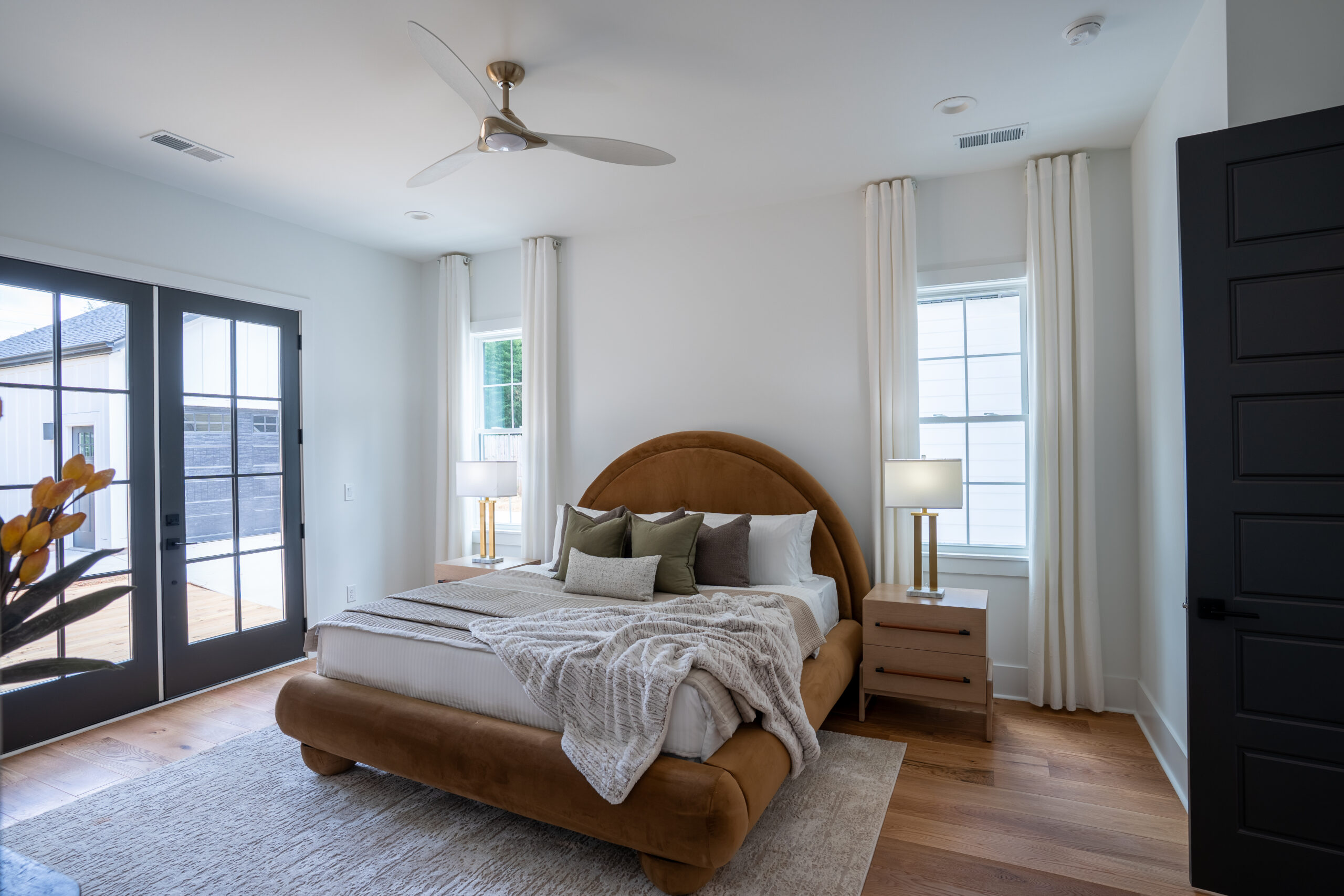
Quality furniture changes the dynamic. A comfortable sofa that your family actually wants to sit on. A proper bed with real nightstands and decent lighting. A dining table where everyone can eat together like they did at home. These aren’t luxuries. They’re the basics that make a temporary space functional and livable.
Most homeowners insurance policies include Additional Living Expense (ALE) coverage that can be used toward furniture rental during a displacement. If your adjuster has approved ALE benefits, furniture rental for temporary housing is one of the most practical ways to use that coverage. It gets your temporary home set up quickly without purchasing pieces you won’t need once you’re back in your own house.
Make It Comfortable, Not Just Functional
There’s a tendency during a displacement to think in terms of bare minimums. A mattress on a frame. A folding table. A couple of chairs. It technically works, but it doesn’t help anyone feel normal.
Adding comfort where you can makes a real difference, especially for families with kids. Throw pillows and blankets on the sofa. Lamps instead of just overhead lighting. A rug in the living room to soften the space. These small additions take a temporary rental from feeling like a holding pattern to feeling like somewhere your family can actually relax.
If you’re renting furniture through your ALE coverage, ask whether the rental company offers custom design selections rather than just pulling whatever is available from a warehouse. A cohesive, well-designed setup across the living room, bedrooms, dining area, and home office creates a sense of order and calm that matters more than people expect during a chaotic time.
Set Up Routines in the Space
One of the hardest parts of living in temporary housing is the loss of routine. Everything about your daily life was built around your home, and now that anchor is gone. Setting up small routines in your temporary space helps rebuild some of that stability.
Designate a spot for morning coffee. Set up a homework area for the kids. Create a space where you can sit and read or watch something at the end of the day. If you’re working from home, having a proper desk and chair in a consistent spot keeps your work life from bleeding into every corner of the temporary space.
These routines don’t need to be complicated. They just need to exist. Having predictable spaces for predictable activities gives your brain something to hold onto when everything else feels uncertain.
Bring Personal Items In
Temporary housing doesn’t have to be completely impersonal. If you were able to save any personal belongings, photos, books, or familiar objects from your home, bring them into the temporary space. A few framed photos on a shelf or a favorite blanket on the bed can go a long way toward making a space feel like it belongs to you.
Even small things matter. Your own coffee mugs. A candle you like. A plant from the grocery store. None of this costs much or takes much effort, but it creates small anchors of familiarity in an unfamiliar space.
Don’t Settle for Someone Else’s Leftovers
Most furniture rental companies operate on a rotating inventory model. Furniture goes out to one client, comes back, gets cleaned, and goes out to the next. When you’re already displaced from your home and dealing with a difficult situation, sitting on furniture that’s been through several other rentals doesn’t help you feel good about where you are.
Displaced families deserve better than that. Brand new furniture on every placement, selected specifically for your temporary home and never previously rented or used, is a different experience entirely. It signals that this space was set up for you, not recycled from someone else’s situation. That distinction matters during a time when so much already feels out of your control.
Talk to Your Adjuster About What’s Covered
Many displaced homeowners don’t realize how much their ALE coverage can actually do for them. Beyond just covering rent on a temporary unit, ALE benefits often extend to furniture rental, appliance rental, and other costs associated with maintaining your standard of living while your home is being repaired.
Before you settle into a bare-bones setup, have a conversation with your insurance adjuster about what’s included in your coverage. Ask specifically about furniture rental and whether delivery, setup, and removal are covered. The right furniture rental partner will provide ALE-compliant itemized invoicing that’s structured for direct insurance submission, which makes the reimbursement process straightforward for everyone involved.
Understanding your benefits fully can open up options you didn’t know you had, and it can make the difference between just surviving a displacement and actually living comfortably through it.
The Situation Is Temporary. Your Comfort Doesn’t Have to Be.
Displacement is hard. There’s no way around that. But the space you live in during that period has a real effect on how your family handles the stress and how quickly things start to feel stable again. Taking the time to set up your temporary housing thoughtfully, with quality furniture, a layout that supports your routines, and personal touches that make it feel like yours, is one of the most practical things you can do for your family during a difficult chapter.
If you want to see how the process works from first contact to move-in, take a look at how we work with every client.
Displaced from your home and need furniture for temporary housing? Jade Interiors Co. provides brand new luxury furniture for ALE and insurance housing throughout Charlotte and the surrounding metro. Every placement includes custom design selections approved before ordering, white glove delivery and installation, ALE-compliant invoicing, and flexible terms aligned with your claim timeline. Schedule a consultation or call (631) 708-4477.